



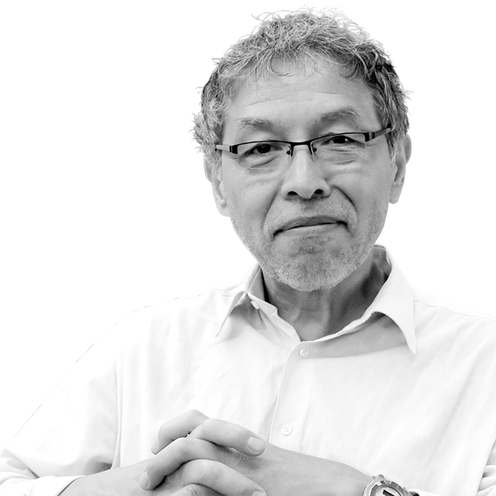
Welcome, I’m Daniel, your Gestalt Therapist.
In my Gestalt Therapy practice, I guide individuals, couples, families and groups through the ebb and flow of transition.
Life is a continuous dance of change, where we are constantly in a process of transformation—some quiet and gentle, others profound and challenging. These shifts shape our present experience, unfolding right here, right now, in this very moment.
Balance, at times, seems fleeting—always just beyond our grasp. We find ourselves constantly searching for our center, as if walking a tightrope suspended between the known and the unknown.
Yet balance is dynamic, it requires attention and adjustment. It suggests that balance isn't a static or final destination, but a continuous process of finding stability, even amid life's uncertainties.
Master's in Clinical Hypnosis and Psychosomatics - Instituto NoeBo (acc: UNAM Méx, CertiUNI),
Gestalt Psychotherapist - Institut Gestalt, Barcelona
Master's (and Practitioner's) in Neurolinguistic Programming - Escuela Argentina de PNL
Buddhist Centre, Ixopo, KZN, South Africa and KTD, New York, US
Other: MIT & KSG, Mass, University of Washington, Seattle, Wash, US
DECADES OF TRAINING AND INTERNATIONAL EXPERIENCE INTEGRATING COMPLEMENTARY DISCIPLINES OF SELF-INQUIRY
* neuro linguistic programming: and the power of narrative and story telling, the words and language we use,
the power of our own sound, how it can empower us to create a better and healthier version of ourselves.
* psychogenealogy in systemic (family / ancestral) relations: Family defines our early life and sometimes
conditions us. Awareness of our part in the family system will grant us better understanding of ourselves.
* buddhist psychology and mindfulness meditation: today we have distilled ancient tools and knowledge
that are at our reach, such as breathing, meditation, concentration.
* body awareness: gestalt therapy helps us connect with our own body intelligence through techniques such
as Kepner's body process (c), Blosh & Maturana's alba emoting (c), Moreno's psychodrama (c).
* clinical hypnosis: based on the ericksonian method as a tool to further access and self-inquire and communicate
with our unconscious and hidden messaging
* psychomatics: relates to physical symptoms that can be attributed to psychological or emotional conditions
* coaching: therapy is a practical way to learn of onself and move towards achieving one's goals
My practice of Gestalt Therapy constitutes a radical viable alternative to other therapies such as CBT, psychodynamic,
positive, and it is an excellent resource to heal anxiety and trauma, including PTSD, and psychosomatic symptoms;
it will improve your decision making processing, and helps you gain better perspective on your life goals.
Daily meditation practice is something I greatly encourage. All it takes is a few minutes a day. Meditation is commonly practised by sitting comfortably whether in a lotus position or in a chair, straight back, and placing awareness and attention to your own breathing.
And there other ways to practice mindfulness, which means full attention and presence. You can meditate while you walk, while you eat. The most important aspect of mindfulness is to gain awareness of mind and body in the present moment.


Copyright Balance Gestalt 2023-2024 © All Rights Reserved
